

Belize Steps Up Climate Outreach Following Annual Climate Week
- Lands, Natural Resources & Environment
- September 5, 2025
- No Comment
- 1318
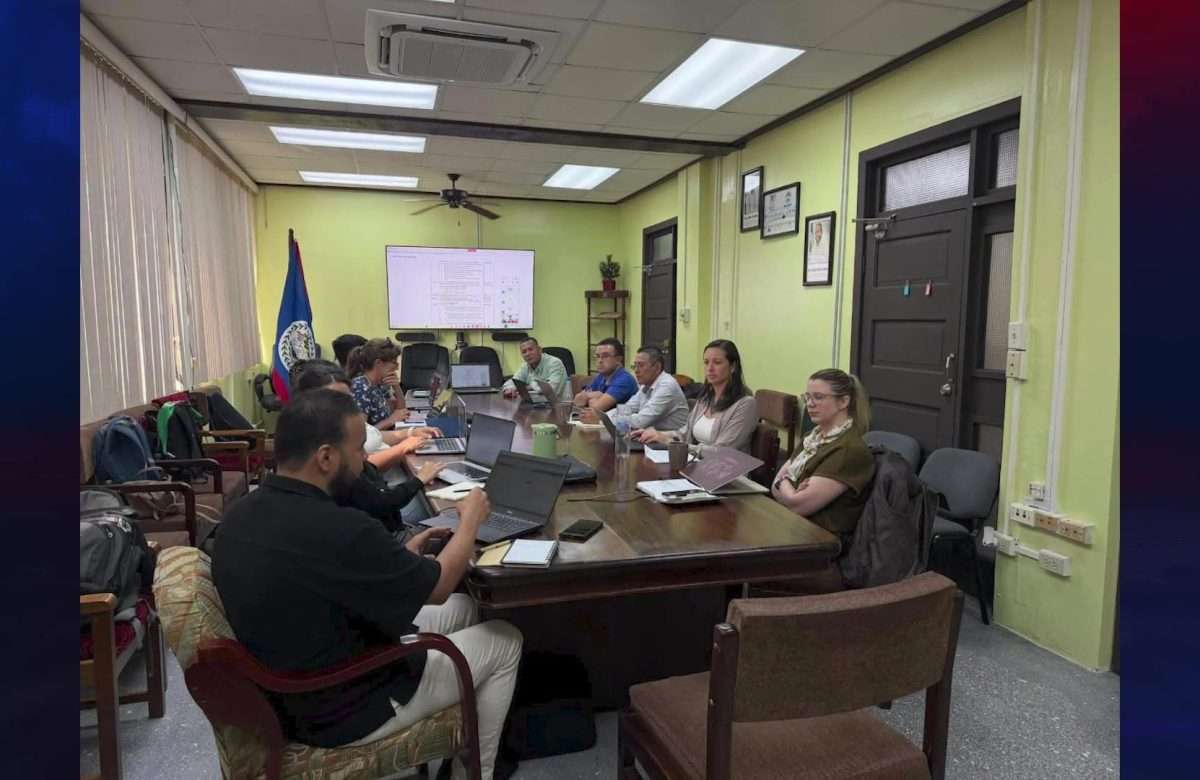
The Government of Belize is continuing its local climate change awareness activities while preparing for the upcoming United Nations Climate Change Conference (COP30). Coming off the heels of the fourth annual Climate Week, the Ministry of Sustainable Development, Climate Change, and Disaster Risk Management has been disseminating information to target groups such as the youth. This week, Minister of Climate Change Orlando Habet and his team from the National Climate Change Office stopped by The Morning Show to discuss these activities. They spoke on the triumphs of Belize and the Small Island Developing States in advocating at events such as COP, but also some of the challenges being faced.

Orlando Habet, Minister of Sustainable Development: “As a matter of fact we have been advocating for lesser fossil fuel including coal, and we go to COP and we were really hammering it at COP26 in Glasgow. Six months later you hear two or three more coal fire plants were being put up. So it’s a difficult situation. When we go up there against the huge oil producers it is difficult because it’s a block. And it is not only for climate change, in everything else. I just came back from the Plastics Treaty and we’re just about to have a treaty really the last draft when the Kuwait, Iraq and Iran and Russia and everybody stood up and said nope. So what was the deterrent there they blocked the production we were asking for to spot the production they don’t want to. We asked to look at design because within the design there are chemicals that are in the plastics and then we were looking at the finance. If you are the ones producing the plastics and we’re the ones being affected then you have to help us to get rid of it and that’s where it was blocked.”
Habet says that Belize has been making strides in its international commitments to address climate change and its impact through policies and legislation. He noted that the plastic pollution legislation currently being refined is a major success in that area and spoke on some of the considerations being made in that refinement.
Orlando Habet, Minister of Sustainable Development: “Then you move from there and then you say okay so if it’s biodegradable where does it go because the biodegradability doesn’t remove the fact that you can still litter. Because you can still take a biodegradable product and still throw it through the window. So the garbage situation it still stays. We also have to think about what we will do because as Ernesto mentioned we don’t have the volume of plastics to really do a recycling industry. So what Bowen and Bowen does and what others will have to do is compact them and ship them over to Guatemala or Mexico or wherever it is. Now, we are also talking about the possibility of removing and reducing methane production which is part of the gas emissions from the landfill which is the garbage How do you do that ? Converting that to energy. If we convert that to energy then, if we remove all the plastics for recycling then you have half of the material so now we have less than what we thought we had. So it is a policy decision that we will have to make because if you recycle you’re taking half of the material that will go into the production of energy. We already don’t have sufficient for a large piece of equipment which they’re all large. So that’s what we have to think about.”
COP 30 is being held in Belém, Brazil, from November 10 to 21.