

BSI Confirms One of Worst Sugar Crops in History
- Agriculture & FarmingLove NewsNews Flash & Headlines
- June 27, 2025
- No Comment
- 4317
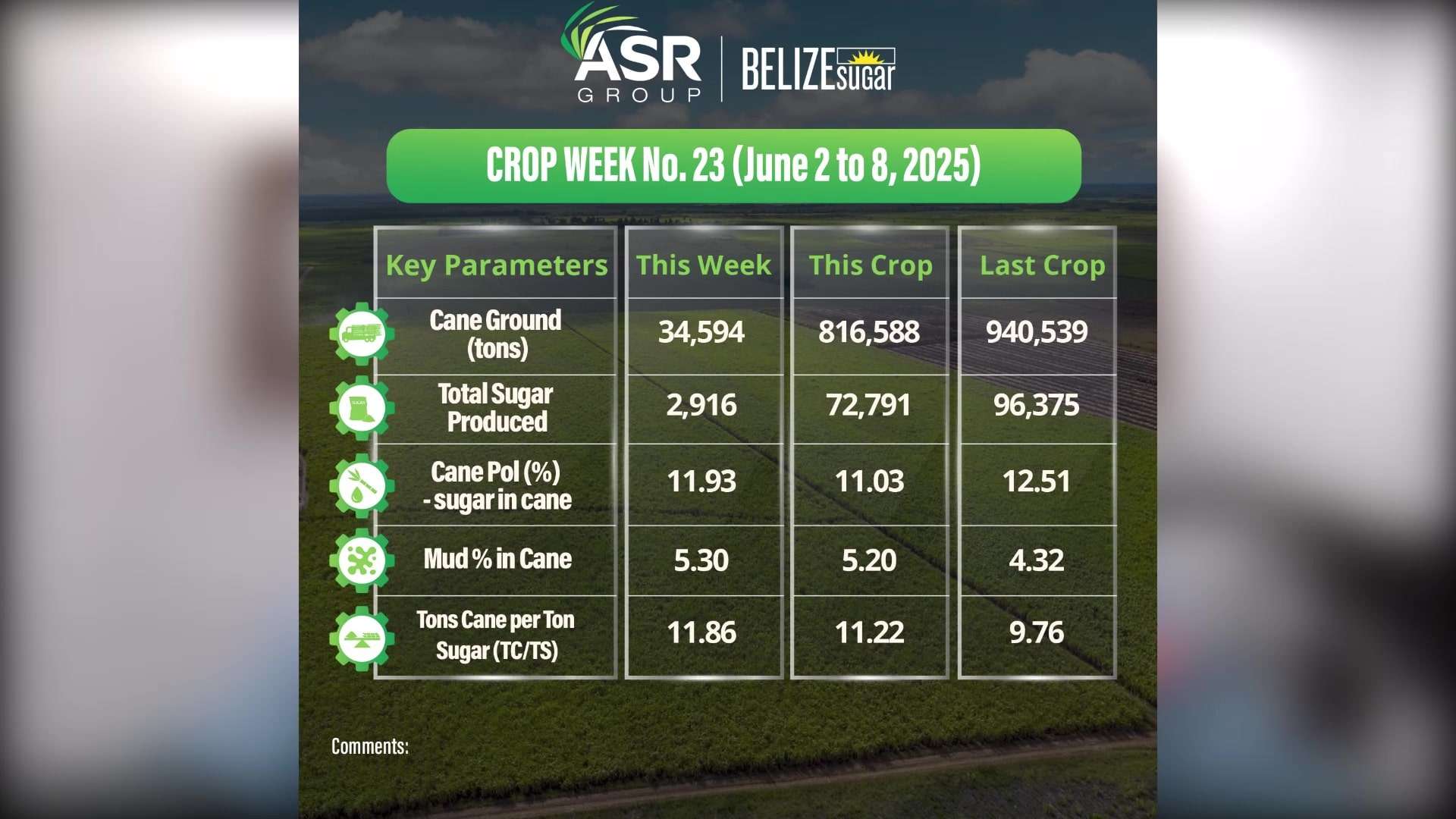
At around ten o’clock this morning, Belize Sugar Industries (ASR/BSI) held a briefing with the media to explain just how bad things were. The company says that around 883,000 metric tons of cane were delivered, which is below 900,000 metric tons. The Tonnes Cane to Tonnes Sugar (TCTS) conversion ratio is also the lowest since 2010. As we previously reported, the industry has been grappling with numerous challenges, including labour shortages, bad weather, and the presence of various pests. The factors caused delays in delivering cane and, on several occasions, forced the mill to shut down, causing over a hundred hours of lost milling time. Director of Finance for ASR BSI, Shawn Chavarria, said that it is one of the top 3 worst crops on record.
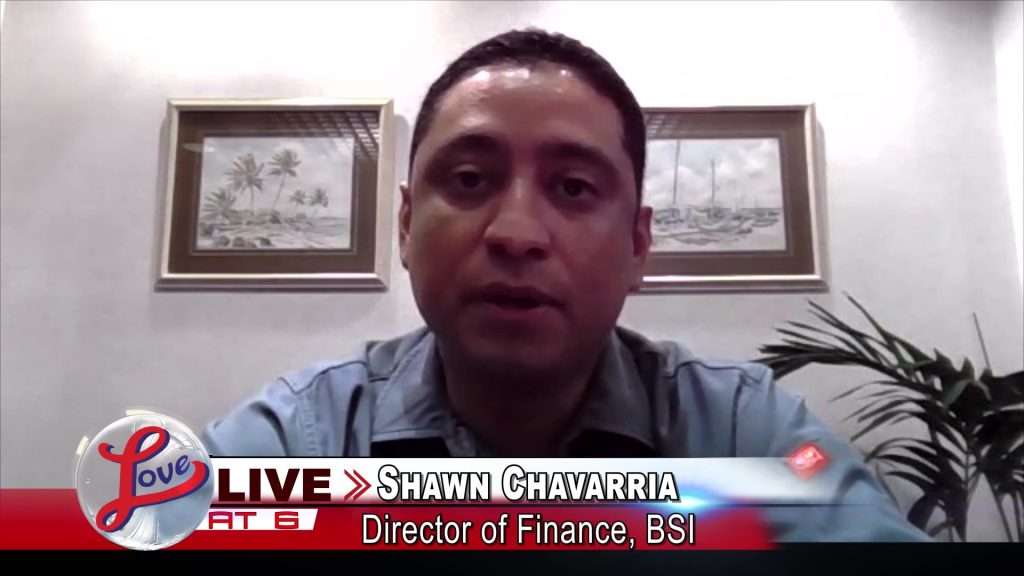
Shawn Chavarria, Director of Finance, BSI: “The total cane received is just under 884,000 metric tons of cane. That’s a low for us. The previous low was in the 2020 crop when we had the impacts of the severe drought from 2019, where we had milled just slightly under 900,000 metric tons of cane. So for us it’s not a very good crop and what has compounded it is the lower quality of cane that we received this year. Our TCTS, we’re still going to be liquidating the factory in the coming days but our TCTS will end up somewhere around 11.1, 11.2, which is one of the lowest we’ve seen since the 2010 crop. Total sugar production is estimated after liquidation to be somewhere around just under 79,000 metric tons of sugar cane. That’s certainly one of the lowest we’ve had in the past 35 to 40 years. The previous low was in 2008 when we had produced just over 79,000 metric tons. So we’ll be below that figure and so it’s not a very good crop from our standpoint. It’s been very challenging. We’ve had a lot of issues with weather, disease. We had long stops as well due to heavy rains at the early outset of the crop in February and March. We had stopped for a total of 12 days. We had a lot of out of cane scenario where farmers are struggling to meet the milling requirements. We understand that there’s a lot of challenges with cane cutters. We don’t have any indication as yet of what potential impacts we could see for next year. Stakeholders are currently working together to try to see what are some of the things that can be done, particularly with respect to fusarium and some of the pests that we are seeing. So it might be a little too early to say what is the full impact, but for sure there is much to be done to try to improve the situation we are seeing today.”
Chavarria also said that with the combination of low yield and low world market prices, the industry is bracing for significant financial losses.
Shawn Chavarria, Director of Finance, BSI: “Everyone this year will take a massive hit. From our standpoint, production compared to last year, which even at that level was not ideal at 104,000 metric tons of cane, we’re going to be 25 % below that figure. So our losses will be significant this year in the tens of millions of dollars. Growers will similarly see a reduction in the cane price, not only because sugar prices have been lower but the quality of cane, that TCTS ratio, is much higher. And so from the same cane you’re getting less sugar that will impact the sugar price. So from an economic standpoint, there will be a lower cane price this year driven not only by market forces but the situation on ground with lower cane supply and lower cane quality. The mill will lose money, even energy sales to the grid will be impacted because we have less cane that we’ve milled and therefore less bagasse and therefore less output to the grid. So it’s all around a big hit that the industry will take. We know that the Prime Minister has appointed a working group following the submission of the commission of inquiry report to look at some of these factors including replanting. And we believe that the government has taken and received that report and we’ll be looking at how it can inject some funding to look at some of these issues of renovating fields, improving cane quality, looking at harvest and delivery, and trying to give the growers an opportunity to get their fields renovated.”
The company says that during the off-season, all industry stakeholders will need to work closely together to address the major issues to improve the prospects for the next crop