

Commission of Inquiry on Sugar Industry Begins First Hearing
- Agriculture & FarmingLove NewsNews Flash & Headlines
- August 27, 2024
- No Comment
- 2639
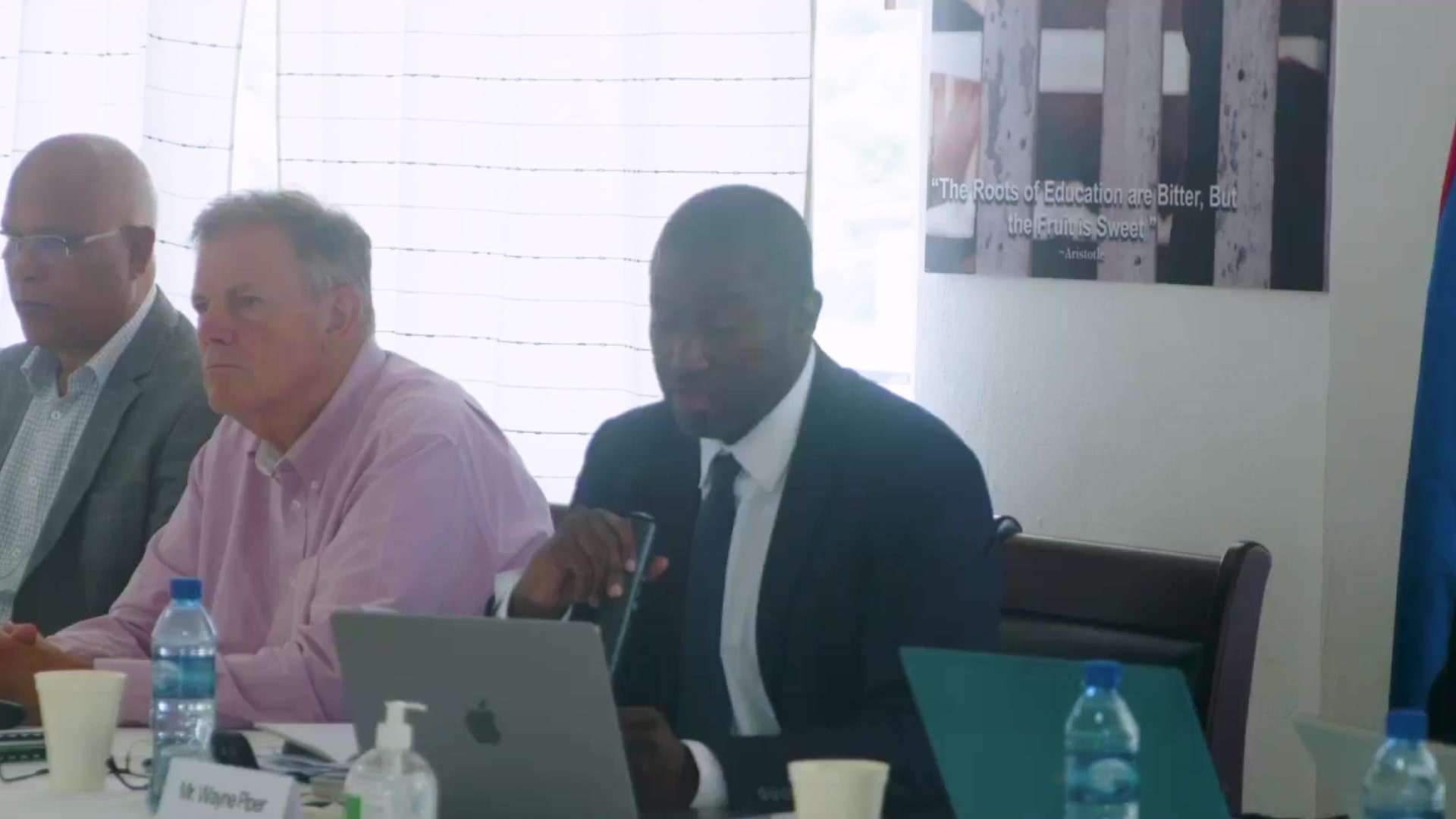
The first hearing of the Commission of Inquiry into the sugar industry was conducted today in Corozal. The hearing comes 5 months after Prime Minister John Briceno announced the formation of a commission to look into the entire sugar industry, its operations, and its efficacy as well as suggestions for improvements. The commission’s Chair, Wayne Piper opened the hearing with a review of the commission’s terms of reference. He noted that prior to today’s hearing, the commission had held meetings with several stakeholders to develop an understanding of the parties in the industry.
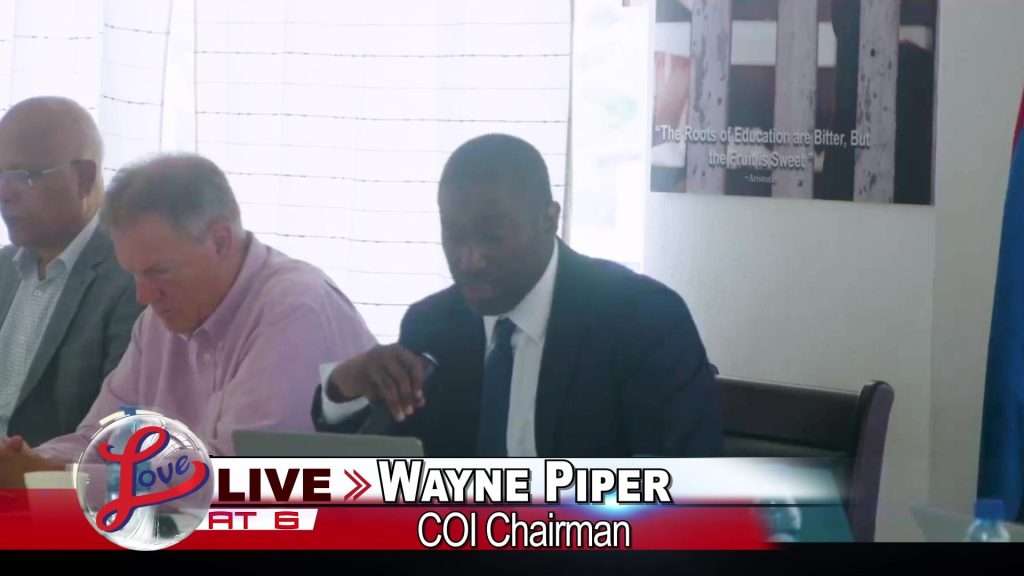
Wayne Piper, COI Chairman: “The terms of reference of the commission, and just as a matter of formality I would like to go through them, are to A, establish benchmarks to measure the efficiency of both factories or mills in Belize, BSI, and Santander and compare with regional sugar factories or mills. B, to identify measures that can address any inefficiency in the sugar factories. C, to assess the cost and efficiency of sugarcane cultivation, harvesting, and transportation in Belize by, among other things, comparing these operations to regional benchmarks. D, to assess planting practices in Belize, the cane varieties used in Belize, the distribution of varieties across farms, risks posed by such varieties and distribution, and to identify measures to mitigate such risk and improve productivity through different planting practices and the use of new varieties. E, to present a reform and influencing strategy to improve the viability of small cane farmers. F, to determine manufacturing cost of products such as raw sugar and direct consumption sugar at both factories and compare with regional industry standards. G, to assess the handling, storage, transportation, efficiency and cost of sugar and molasses and the opportunities for improvement in the handling, storage and transportation of both products. H, to assess the potential for development of other byproduct and derivatives investment and other revenue streams. I, to assess the revenues generated from the sale of molasses and to recommend a pricing mechanism for molasses. J, to consider the possibility of setting up a distillery for the optimal use of molasses for the production of ethanol and or potable alcohol for direct consumption. K, to review the cogeneration scheme at both BSI and Santander and compare it with other cogeneration plants with a view to optimize the use of bagasse fuel for electricity generation for the benefit of Belize at a larger scale. L, to review marketing and pricing arrangements. M, to compare cane payment system of BSI and Santander with a range of other sugar industries or countries and recommend an alternative. N, to assess the impact of climate change on sugar cane farms in Belize including the adequacy of farm and road drainage and the remedies required to address the climate change challenges and the timing of implementation of such remedies.”
With a review of the ToR for the commission conducted, oaths were administered to the team from BSI/ASR as they prepared to be the first to testify. Shaun Chavarria, the factory’s Finance Director, spoke on some of the key challenges faced by BSI/ASR, citing the root as political interference.
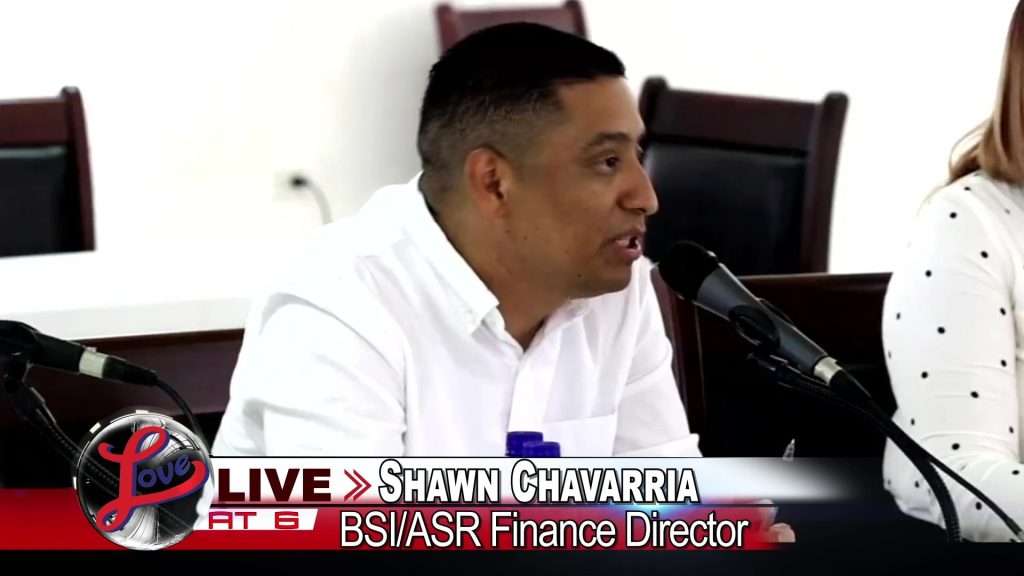
Shawn Chavarria, BSI/ASR Finance Director: “The reason we think it hasn’t been properly addressed is because the industry is one that is heavily politicized. A lot of decisions that are made are not really based on technical facts or information or economics it’s really driven by political expediency. And that makes sense to an extent because of the number of farmers that the industry in the north supports and by extension their families. And it’s something that BSI for many many years, decades really, has had to manage. But we think that because of that the industry is not where it should be.”
Chavarria added that the northern sugar industry in Belize is currently the lowest yielding sugar producing country. He noted that the limited sugar cane variety has also contributed to stagnation. In addition to that, Chavarria says there needs to be penalties for poor cane quality delivered at the mill. The area of climate change was also looked at where Adrian Zetina, the Chief of Research and Development at the factory, spoke on their review on green harvesting, compost and irrigation. In addition to that, another area that came up in this first hearing had to do with investments in the industry. According to Chavarria, BSI/ASR has invested more than 100 million US dollars over the past ten years.
Shawn Chavarria, BSI/ASR Finance Director: “And we’ve also shared as part of our submission a timeline of investments that the mill has done since 2012 to expand not only the capacity of the factory to increase throughput but also expansion of value added, the logistics and so when you make the statement that someone needs to move first, with respect, BSI has moved and we’ve invested over $100 million US in capital investments over the past 10 years to increase the performance efficiency of the factory and the power plant. And we have the evidence and support for that. Can we do better? Of course. And tomorrow we want to touch on some of these bottlenecks that we see, especially in terms of handling sugarcane under wet conditions. But I do have to make that point, that for the past 10 years we have invested significantly to improve the performance of the factory and the cogen.”
Tomorrow’s hearing will see milling experts for BSI/ASR testify. The Commission is made up of Wayne Piper as the Chair with the Directors being Simon Gibbons, Robert Mariette, Vinod Ramharai, Jeffery Joseph, Andrew Church as well as the technical advisor, Krity Neermul and Secretary, Lorena Posada.