

Deforestation Blamed for Coastal Plane Highway Flooding Issues
- Transportation
- June 28, 2024
- No Comment
- 1578
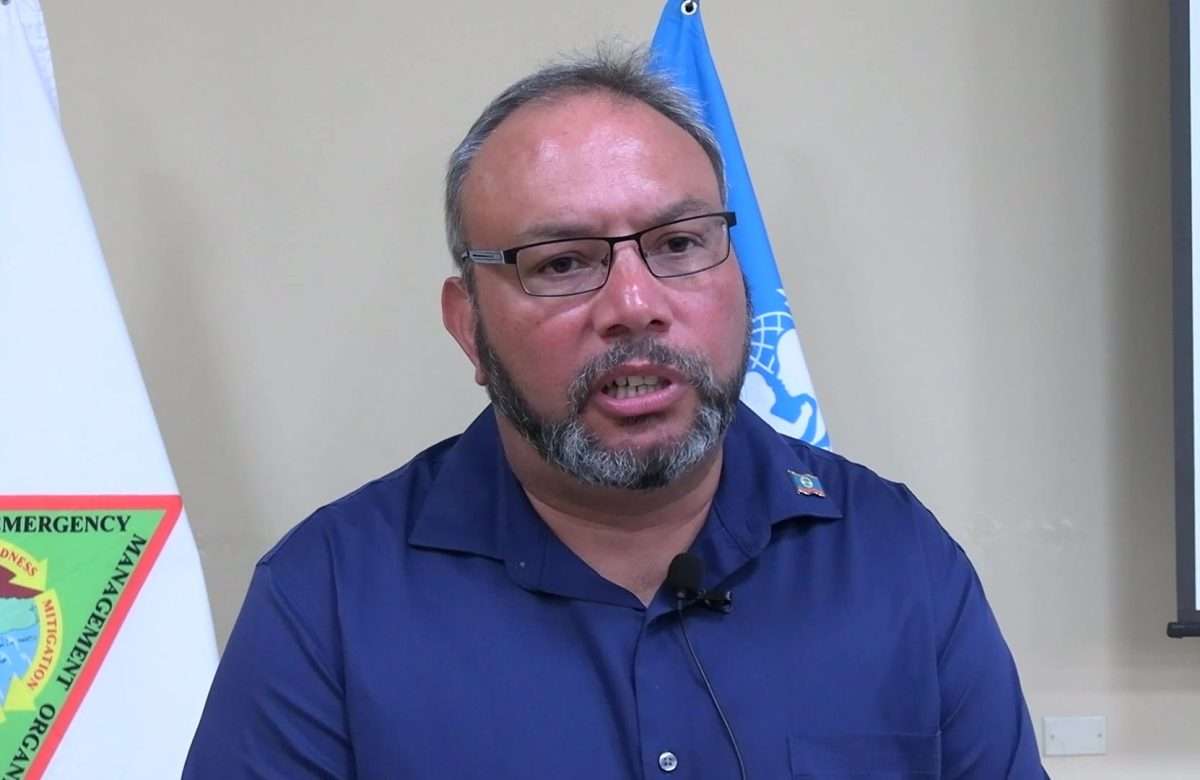
Over the past weeks, the Coastal Plane Highway has become inundated several times following heavy rains. The roadway was built with climate resilience features, but the heavy downpours have led to portions of the highway washing away. The Ministry of Infrastructure Development and Housing has attributed the problem to an uptick in deforestation in areas surrounding the highway. But will the ministry be able to correct the issue and prevent the thoroughfare from flooding? Today, Minister of Infrastructure Development and Housing Julius Espat weighed in on the situation.

Julius Espat, Minister, MIDH: “The contractor and the ministry engineers have been sent out to analyze. We cleared the road so that it’s passable, but we’re looking at how to better it for possible minimizing reoccurrence. Where the engineers, both internationally and locally thought that the flooding would have happened happened but they didn’t conceive that it would have happened at this specific spot. If you notice when you drive the coastal highway you have sections that are concreted and it’s concreted with a purpose. They know that when there’s a severe flood it has to go over the road and so there are designs in place to be able to accommodate that. But new ones occurred. When we went up to check we went downstream and the stream is all blocked up with all with bamboo, with old trees. All the deforestation that happened went into the creek and water will find a way out. You have to understand that trees and all of these things help with minimizing erosion, it directs the flow of water to a specific area. Once you take that out, then it’s a free flow. Water will find a way one way or the other. And the coastal, for example, everybody is aware that it was designed and it was placed in an area that’s very low. And so everybody knew that with time it will flood once in a while. But the difference is it floods for maybe an hour, maybe two, maximum half a day. While in the past it was impassable for months and weeks. So we are progressing and as you progress there are situations that occur that we have to be dealing with.”
Espat went on to speak on the efforts to lessen the impacts of climate change and the need to invest more money in infrastructure to ensure they withstand the test of time.
Julius Espat, Minister, MIDH: “Just to give you an example, not to complain, but with the floods the entire Chetumal went underwater, Bridges fell in Cuba. The Tren Maya very expensive multi-million dollar project was undermined by the flooding. Miami was underwater and infrastructure was damaged. It’s not only here, it’s just that we are dealing with our present situation but it’s an act of God and we have no control of that.”
Reporter: So then getting back to my question of the… expected floods that are due next week or early next week, what roads are you working on in maybe in preparation for that or just so that we don’t see the kind of damage or flooding in those areas?
Julius Espat, Minister, MIDH: “I can’t guarantee that you won’t see any kind of damage or envisioning. What we have done at the ministry is we have sent out all the engineers country-wide to look at drainage and culverts and see if we could clear them out, go into the creeks to see if there is a possibility of addressing the issue. Better than that, that we really can’t be dealing with. But with time it will get worse and we will have to design infrastructure to be able to withstand that and that just means that the investment that goes into infrastructure will have to be more and at times we can’t afford to do it and so we have to be able to have a balance in our approach, what is priority, what is not priority. But we have highways that you can travel in the dry and in the wet, George Price Highway, Philip Goldson Highway. Right now we are going to work on the Southern Highway. We have a project for the George Price Highway right now to rehabilitate it. These are important projects that are proposed that will try to minimize the problem. The design of the George Price Highway considers flooding, so we are putting in major culverts and drainage areas prior to entering Belize City. So we are hoping that when the Sibun water rises and the water comes down the Burton Canal it doesn’t reach Belize City or it minimizes the quantity that reaches Belize City and we can have it flow before or close to Old Belize.”
The highway was inaugurated in July last year.