

Government and UNICEF Belize Launch First-Ever Study on Substance Abuse Among Youth and Women
- Government & PoliticsHealth & ScienceYouth
- February 11, 2025
- No Comment
- 2608
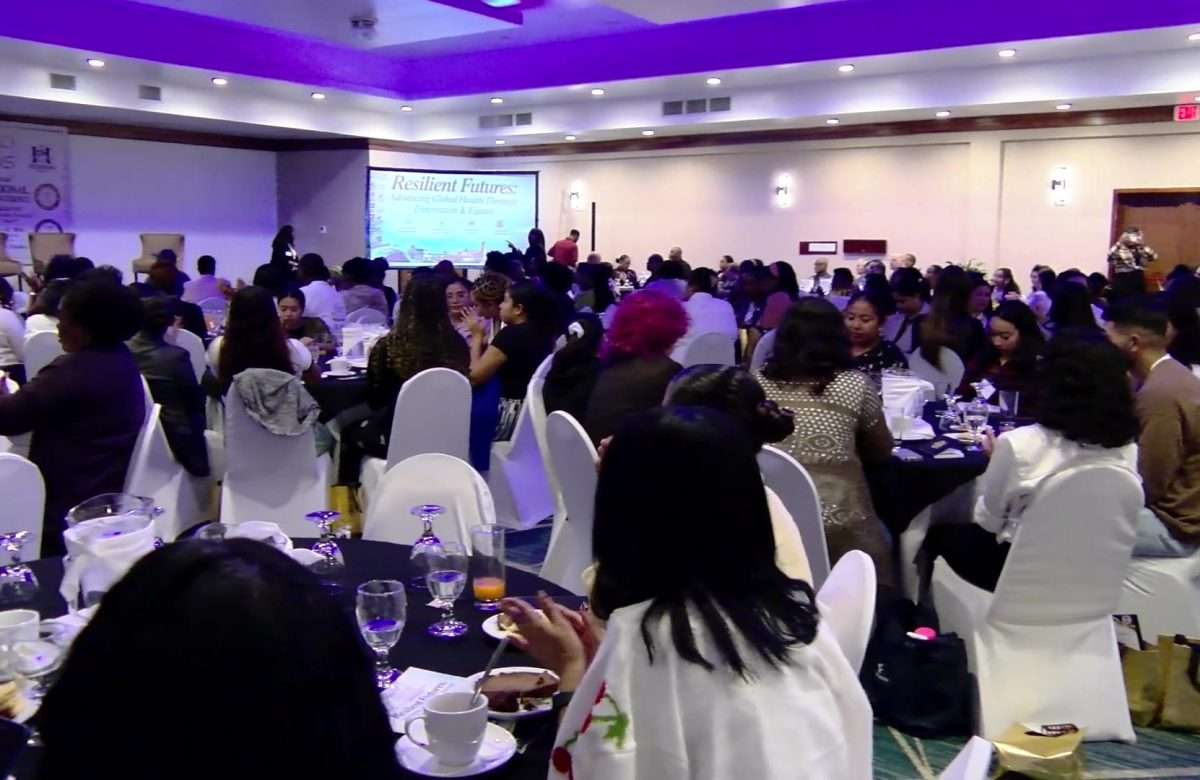
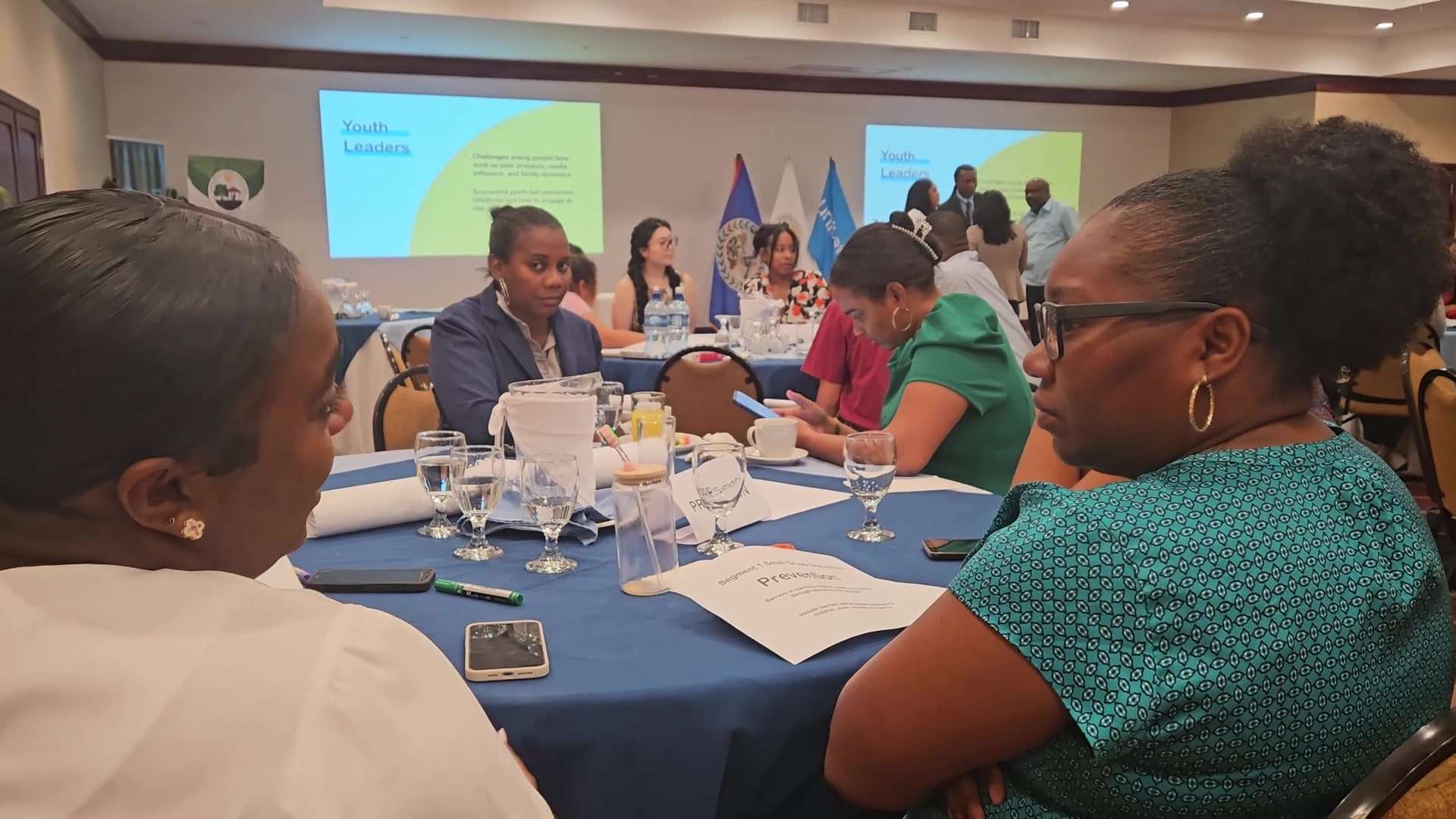
The government has teamed up with UNICEF Belize this week for the first-ever situational analysis on substance abuse amongst adolescents, youth, and women in Belize. As part of the analysis, the Ministry of Health and Wellness held a stakeholder consultation today in Belize City. The consultation brought together healthcare professionals, counselors, and other professionals who deal directly with the target populations, to discuss the upcoming study. The study will help stakeholders understand the current state of substance use among adolescent youth and women in Belize. Esner Vellos, Director of the National Drug Abuse Control Council (NDACC) says the data will inform policymakers and other bodies to craft evidence-based prevention and intervention training programs.
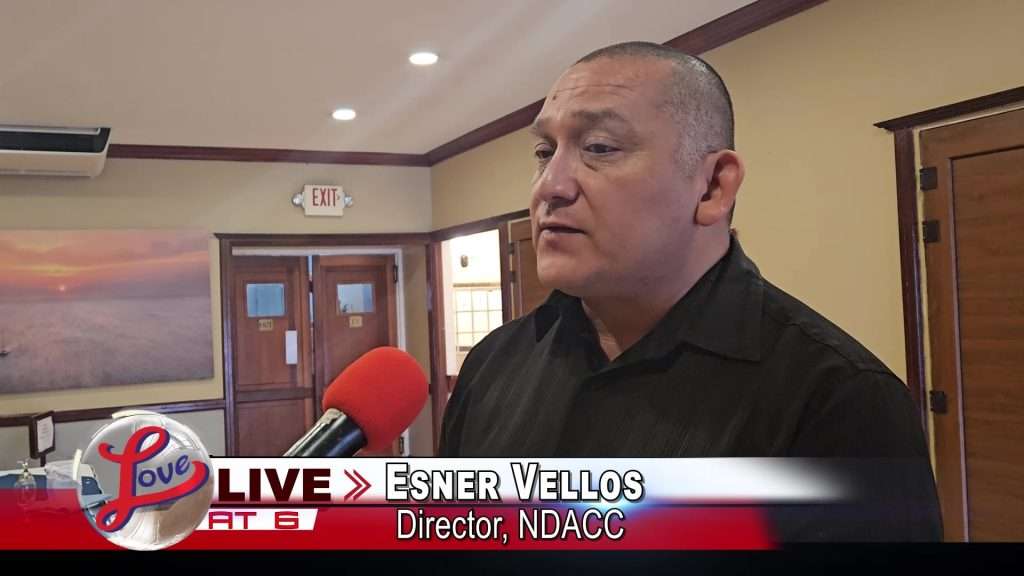
Esner Vellos, Director, NDACC: “Basically, one of the things that we’re looking forward to achieve with this stakeholder meeting and the overall situation analysis study that has been conducted by UNICEF is to how we will be able to drive data and utilize data to build on our programs and ensure that there is effective monitoring and evaluation of the programs that we offer, but more important to ensure that the general population is aware that there are services available and those services can be accessible, like I said, free of cost. But also one of the things that we’re looking at is, with this stakeholder meeting and all the other focus groups that we will be doing with young people, women, and also caregivers, is to ensure that we do have that discussion going on how important it is to be able for us to drive programs and to develop programs that will be able to address the issue of substance misuse among adolescents, women, children, and families as well. Our data has shown that there is a high level of consumption of alcohol and also marijuana by the male population from all ages and all walks of life. But we’ve also seen a trend increase in the consumption of these substances among women and that’s the reason why it’s very important to be able to not only drive the information out there that there is an increase of consumption among women but also create opportunities of developing programs and also having service accessibility for women to be able to address their substance consumption and ensuring that they have accessibility to the services that are offered, that only by the Ministry of Health through the National Drug Abuse Control Council, but also seek the services of rehabilitation facilities in our country.”
School counselor, Cynthia Garbutt, says that the participants spoke seriously about revising existing intervention strategies that may be ineffective.
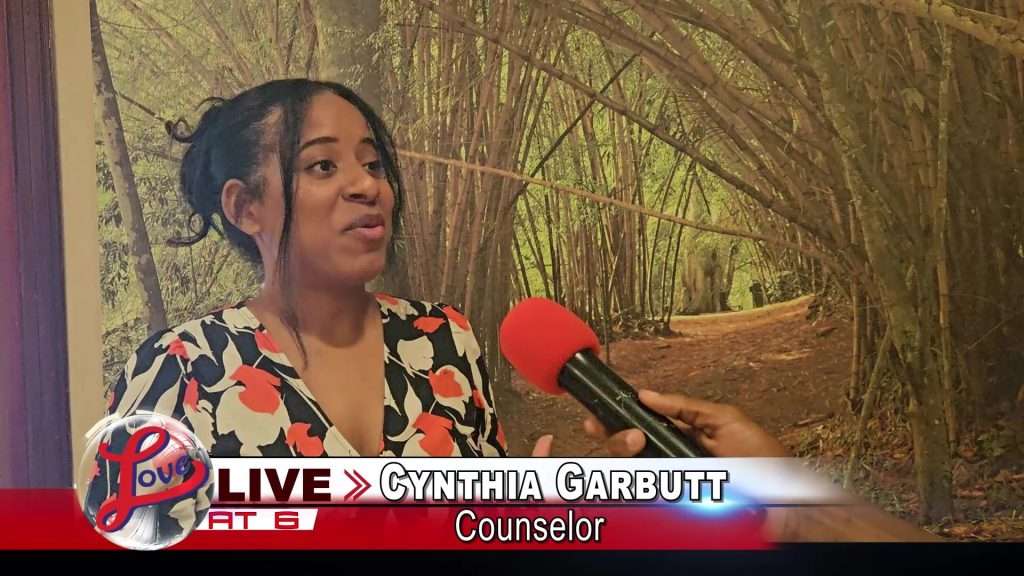
Cynthia Garbutt, Counselor: “So we’re here, there are different stakeholders here, educators, counselors, medical professionals, social services, and we are, it’s basically a workshop trying to figure out how we can come up with methods that work, methods that we have been using that might not work that might need to be replaced. So we’re doing clusters of prevention and integration and treatment as well. So we’re giving our inputs as to what we do in our particular areas, what works and what we might need support in. There’s more drug use than I had anticipated and it’s happening with very young ages. Some things that work is early exposure to early awareness regarding drug use and drug misuse. So whereas you might want to start with high school children, it’s very important that they are exposed to awareness from very early because they are exposed to drugs from very early in their homes. And so that’s one thing that we have identified might work. There is a lot of room for improvement as it pertains to social support systems and additional personnel. I believe that many of the resources are overwhelmed. Many of the agencies are very limited with what they can provide. And so we want to see if we can have that expanded to support these children.”
The situational analysis will run until February 14, with various groups and individuals being interviewed for input.