

Historic Agreement Signed to Protect Crooked Tree Wildlife Sanctuary
- Government & PoliticsLands, Natural Resources & EnvironmentYouth, Women, Society & Lifestyle
- February 5, 2026
- No Comment
- 1051
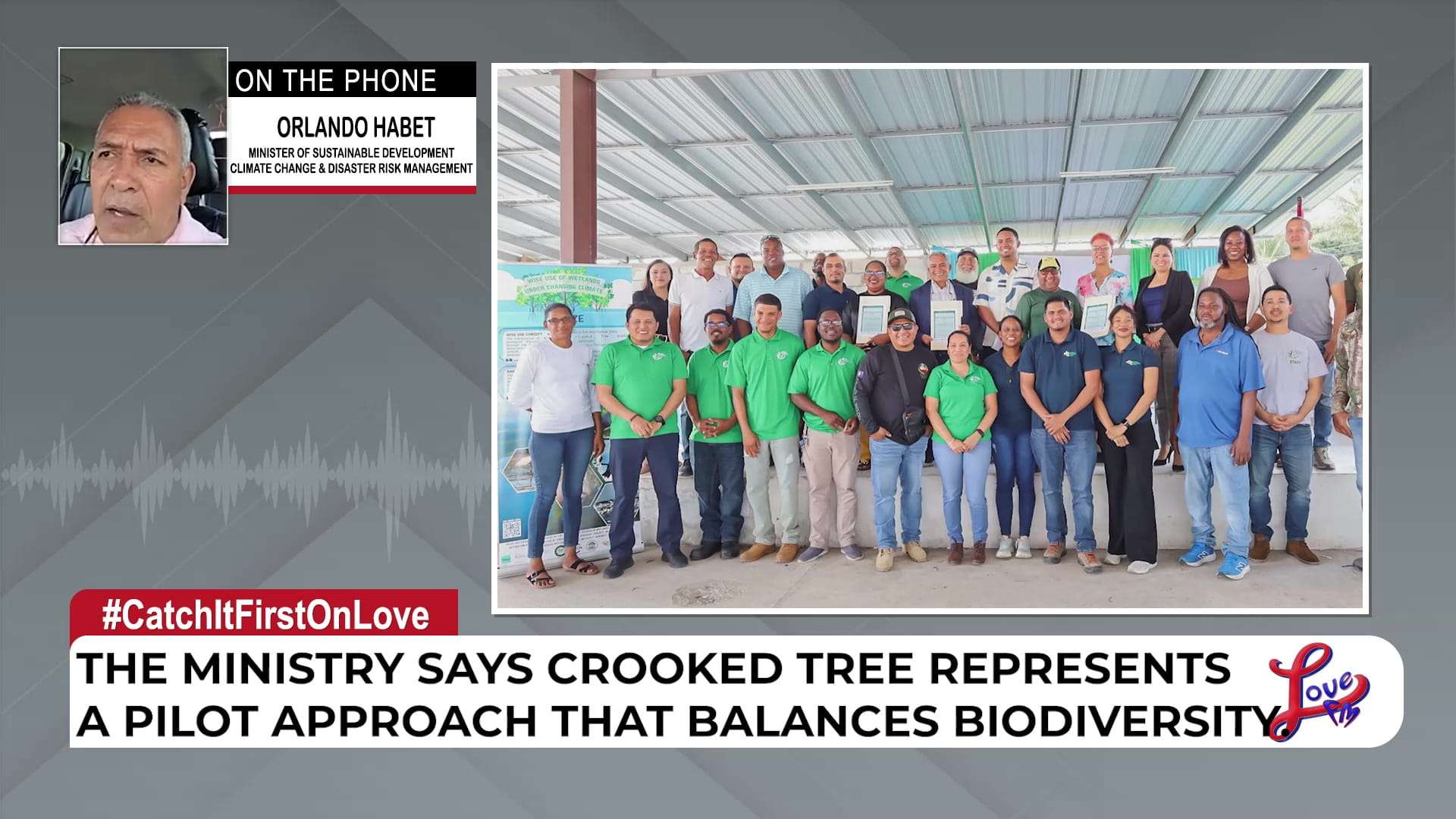
World Wetlands Day was commemorated in Crooked Tree Village with the signing of a historic agreement aimed at protecting the Crooked Tree Wildlife Sanctuary while recognizing traditional community use of its resources. The Memorandum of Understanding was signed between the Ministry of Sustainable Development, Climate Change and Solid Waste Management, through the National Biodiversity Office, the Crooked Tree Village Council, and the Belize Audubon Society. The agreement establishes clear rules for traditional fishing and sustainable resource use inside the sanctuary, while ensuring compliance with national environmental laws. The ceremony brought together residents, conservation partners and government officials in what authorities described as a major step toward community-centered conservation. Minister of Sustainable Development Orlando Habet emphasized the importance of wetlands to both the environment and local livelihoods. He notes wetlands are unique ecosystems that capture and filter water, replenish underground water sources and provide habitat for a wide variety of bird species, while highlighting the significance of signing the Crooked Tree agreement.
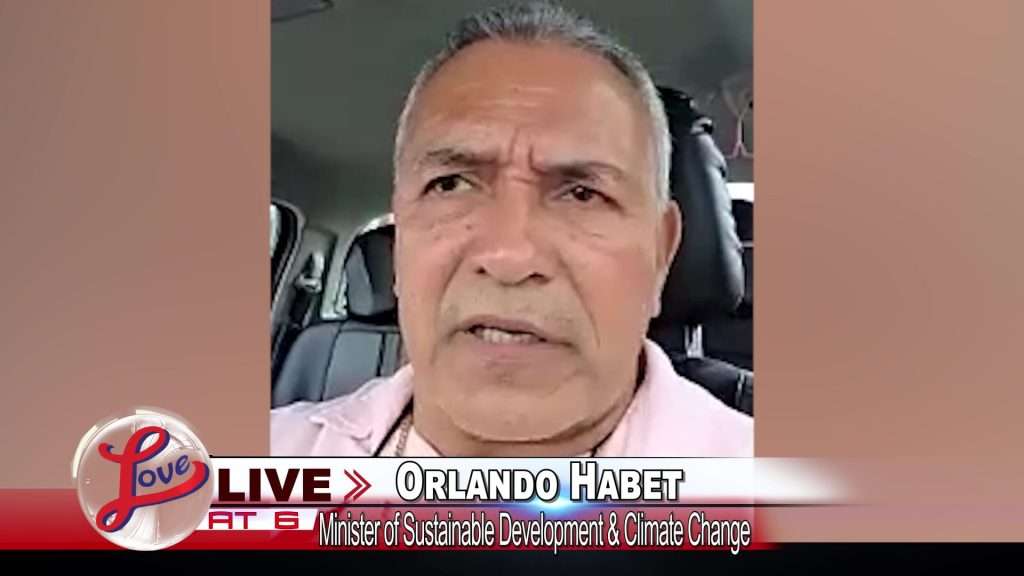
Orlando Habet, Minister of Sustainable Development: “Belize has several wetlands but we only have two of those wetlands that are Ramsar sites. So we are part of the Ramsar Convention and we have the Crooked Tree Wildlife Sanctuary and we have the Sarastoon-Temash Wildlife Sanctuary which is a wetland. And so under co-management currently we have the Crooked Tree and they have been doing a good job because they have been engaged through Audubon who has the co-management of the area. But of recent they have tried to engage much more so the community. The designation of the wildlife sanctuary is done through the app that permits us to be able to assign different categories of protected areas and the wildlife sanctuary is just one of those. But for it to happen, we have to sign a memorandum of understanding with the group. Or in the case of the Audubon Society, we sign a co-management agreement with them so that they can co-manage area and now we are just happy that they can engage a lot more with the community who maybe at some time were not particularly interested in having the wildlife sanctuary because now you’re taking some of the land that is part of their area to put into some type of conservation. Well what is important here is that that area provides not only water refiltration as I mentioned overflow from the Belize River during flooding events, but it provides a lot of good fishing for them. And in this case they want to make sure that their people from their community have first access to fishing and they can do it sustainably. And that is the important part of this.”
Officials say the agreement also strengthens governance of the protected area by formally recognizing traditional fisherfolk and setting monitoring and enforcement mechanisms. The framework will guide updates to the sanctuary’s management plan and supports its proposed reclassification under a more inclusive conservation model. The ministry says Crooked Tree represents a pilot approach that balances biodiversity protection with cultural practices, and similar partnerships are expected to follow in other communities. The Minister speaks about plans for a similar MOU to be signed in Sarteneja as part of expanding collaborative wetland protection efforts nationwide.
Orlando Habet, Minister of Sustainable Development: “Sarteneja they have, they are co managers of that particular area. They have a wild life sanctuary one and they have been requesting that because of the particular nature of the area where they have historically been doing the type of fishing that they do, they do not do the gill net fishing but they do traps. And so it provides some type of livelihood for the fisher folks from that area. They can also maybe look at other resources like maybe some type of tourism, engage the community when they have fairs so that they can have style, sell food, maybe even some Airbnb and everything else. So the community benefits and also there is co-management of that particular ecosystem. So we are looking at it favorably and I think it’s on the way to be done.”
Reporter: That co-management will be with Audubon as well or with somebody else?
Orlando Habet, Minister of Sustainable Development: “No, with SACD, the Sarteneja Alliance for Conservation and Development.“
The observance concluded with a renewed commitment from partners and community members to protect Belize’s wetlands through cooperation, shared responsibility and sustainable use of natural resources.