



NTUCB Calls for Changes to PUC to Protect Independence
- Business, Companies & Organizations
- August 18, 2026
- No Comment
- 475
Coming out of today’s press conference as well is the union’s demand for changes to the composition of the Public Utilities Commission (PUC). The demand surrounds the regulatory questions that would have arisen if the acquisition of Smart had gone ahead. NTUCB President Ella Waight says the PUC must be able to regulate the telecommunications sector independently and without political influence. She argues that changing the structure of the commission would help protect its decisions from political interference.
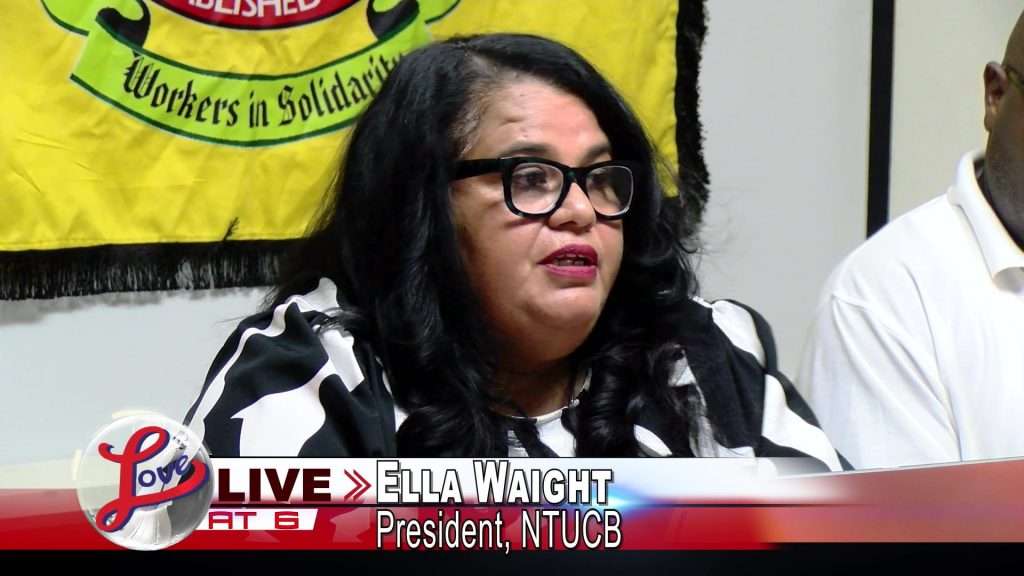
Ella Waight, President, NTUCB: “The NTUCB calls on the government to return public confidence in the PUC by having four of the seven commissioners nominated through the recognized social partners in good standing. These include, as the poster in front has, these include labor which is through the NTUCB, business through BCCI, Belizean NGOs to BNN and the churches to NEAB and then three commissioners from the government of the day. As you can see the structure it allows for the citizens of Belize to have majority control over the PUC. This would strengthen the perception that commissioners there are now to serve the public interest rather than the government of the day. We all know the prime minister’s influence over the regulator is perceived to be a real thing. If the prime minister appoints the members of the PUC, there can be a perceived conflict between potential influence and regulatory independence, especially now, right? Commissioners may never have or never will personally receive anything of value but the circumstances could create the appearance of regulatory capture where a regulator is perceived as being influenced by the interests of the political actors connected to Smart and Speednet. That perception is particularly serious because the PUC is supposed to regulate telecommunications in the public interest and promote competition and consumer protection.”
The PUC is responsible for regulating Belize’s telecommunications and utility sectors. It would have played a central role in assessing the competition and market-dominance issues associated with the proposed BTL–Speednet acquisition.


