

Minister of Sustainable Development Defends COP 16 Despite Falling Short of Key Funding Targets
- Government & PoliticsLands, Natural Resources & Environment
- November 7, 2024
- No Comment
- 2477
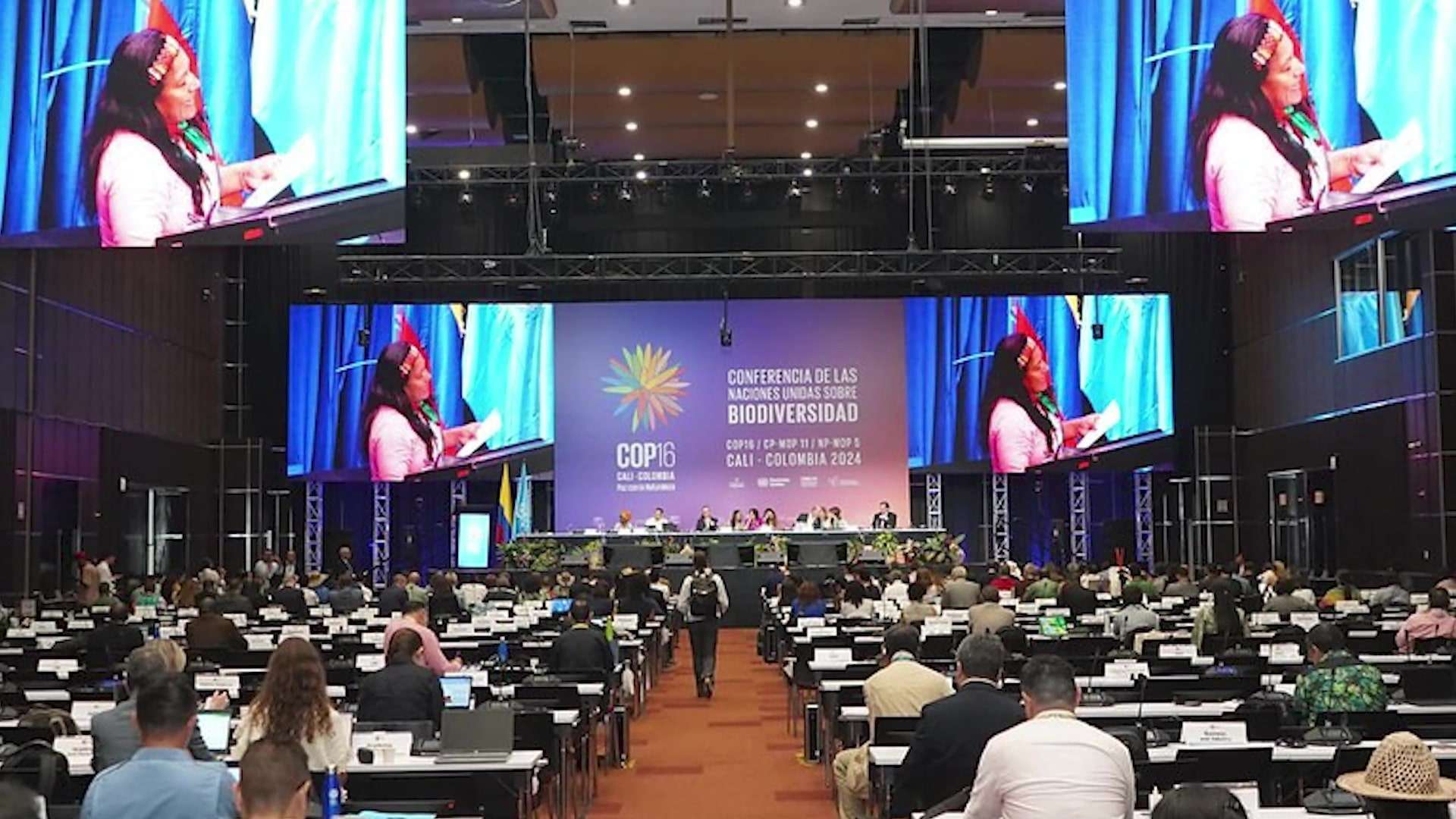
The United Nations Biodiversity Conference (COP 16) has been widely criticized for failing to meet key targets, but Minister of Sustainable Development Orlando Habet says it wasn’t a complete loss. COP 16 was held last month in Colombia and brought together 120 countries to discuss solutions for environmental damage. A major goal of the event was to raise some twenty billion dollars to fund interventions for biodiversity loss, but they raised less than half a billion in the end. Minister Habet says that while they fell short of that target, the conference saw several notable achievements.
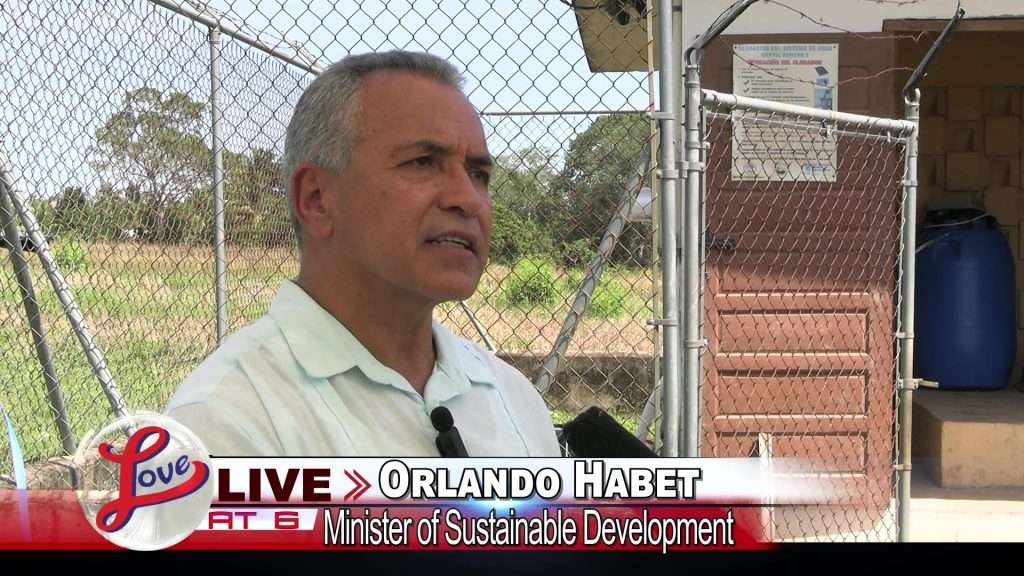
Orlando Habet, Minister of Sustainable Development: “One of the objectives was to establish a fund for genetic information use which is called DSI which is the digital sequencing information where countries have come to all our countries that have large biodiversity and have taken samples of different species or plants or animals and they’re stored in databases somewhere and these are being used by pharmaceutical companies, by companies that do cosmetics and everything else and they make huge profits. So what we are saying is you have to start paying us for some of this digital information that is done and so that was a success story because that fund was established and now countries have to see how they can pass legislation and other polices to guide the acquisition of funds. And for those who have some of this information already in these databases that it pays. What they asked for is that these companies pay 1% of their profits or .1% of their gross income. Of course they don’t want but that’s what’s been established. Another thing that was a success was that indigenous communities worldwide, globally were afforded a space as a group to do their negotiations and to participate in the negotiations within the COP. So that was a success for them. Another one is that from this fund that will be established from the DSI it is recommended that 50% is apportioned to indigenous communities who globally everybody says they have been the steward of the biodiversity and conservation.”
The failure to meet the funding target at COP 16, has raised concerns about the impact that the upcoming climate change conference COP 29 will have. Minister of Agriculture Jose Mai recently said that he feels COP 29 will be nothing more than a “talk shop”. However, Habet doesn’t share that sentiment.
Orlando Habet, Minister of Sustainable Development: “Where the COP failed was to finalize everything. The monies that were asked for at least $20 billion dollars haven’t come up but other institutions who have done studies are saying it’s not only $20 billion dollars there’s a gap. If you really want to stop biodiversity loss and to do the proper restoration there’s a gap of $700 billion dollars. So we are far from that. But I think the commitment for the global biodiversity fund initiated in Montreal initially it went up to about $300 million dollars I think it’s a little bit over $400 million dollars right now it certainly has to grow a lot more than that. I don’t think it’s just a talk shop. I think that we have to look at it in context. If you are going to seek out what can be obtained through the agricultural discussions which for the first time came up at COP in Dubai luckily we were there because there was very little representation from the Ministry of Agriculture but we had one person who was there he called and said listen we are not part of this global institution that’s looking at agriculture. So immediately I called the Ministry of Foreign Affairs, we got a note verbal signed by the Minister and we sent it through the person who was representing us in agriculture he went into the fora and now we are part of it. So any benefits that come either directly to the Ministry of Agriculture in Belize is an assistance and if it comes through institutions like FAO it’s still a benefit for Belize or whichever other institutions. For climate change it is difficult and we all agree that we have been asking for the billions of dollars for funding climate change whether it’s for mitigation and mostly we want for adaptation we have established the loss and damage fund I think it’s something we were asking for there now it’s now to really finalize the mechanism and then see how we will start benefiting from that fund.”
At COP 16, Belize served as the lead negotiator for Resource Mobilization and means of Implementation and Target 3 – Conserve 30 percent of Land, Water, and Seas. For COP 29, Belize will also serve as the lead Negotiator for the New Collective Quantified Goal on Climate Finance.