

Senate Sends Powers and Privileges Bill to Committee After Failing to Pass
- Government & PoliticsLove NewsNews Flash & Headlines
- January 23, 2026
- No Comment
- 931
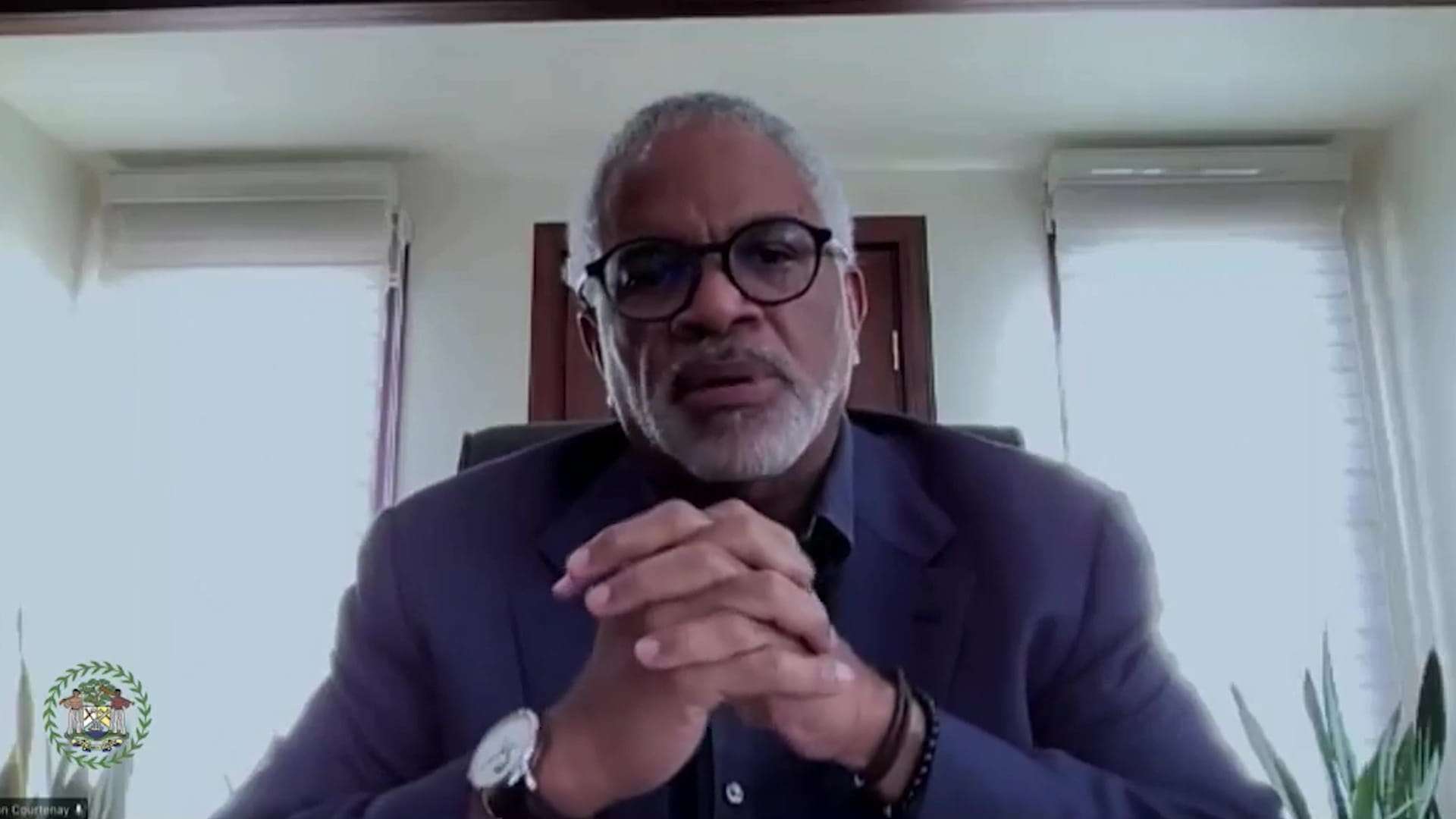
For the first time in the post-COVID era, the Senate met virtually today to consider several pieces of legislation forwarded from the House of Representatives, including the National Assembly (Powers, Privileges and Immunities) Bill, 2025, a measure that has drawn sharp debate between government, opposition leaders and social partners. The Bill, which was first introduced in the House of Representatives earlier in 2025 as part of a package of legislative reforms, is intended to replace the existing Legislative Assembly (Powers and Privileges) Act and modernize the statutory rules that govern how Parliament operates, including the powers of parliamentary committees to summon witnesses, demand documents, and conduct inquiries. However, the Bill failed to secure majority support in the Senate today and has been sent to committee for further review after strong concerns were raised about one of its key provisions. Lead Government Senator Eamon Courtenay explained that the Bill aims to bring existing law into alignment with contemporary parliamentary practice and ensure clarity in how committees exercise their oversight functions.
Eamon Courtenay, Government Lead Senator: “It was actually enacted in October 1962. That is, before self-government and at a time when only the Legislative Assembly existed, there was no Senate. Looking at the history of that ordinance, it has never been amended. In short, it does not suit the reality of our parliament today. And therefore, after much work, the bill that is before us has been brought to the National Assembly in order to modernize the legislative framework that governs our work, that governs work of the Senate, the House of Representatives, committees of both Houses and Joint Committees. Most important, it continues to ensure that there is freedom of speech in the houses of parliament and committees, and it permits senators, and I speak for this House, senators to speak frankly, openly, on public matters that are before the Senate meetings or before committees and to be protected from exposure for defamation if someone feels aggrieved by what is said. Madam President and colleagues, that privilege which has been granted to us also imposes a duty on us to exercise moderation, discretion, and to ensure that we do not unfairly target persons simply because we are privileged to speak without recourse. So whilst we enjoy the freedom of speech in the national assembly which we should exercise to the fullest, we should do so responsibly. The second point I wish to raise is this bill proposes is a new regime that strengthens and gives power to committees to make requests or issue summonses to witnesses for documents to be brought and to have one, some immunities but more importantly a very clear regime to address persons who are required to appear, who are required to answer questions, and people who are required to produce documents. Where the Senate committee believes that that is not being done, not being respected, there are remedies and enforcement measures in the legislation. I think we will all agree that the bill modernizes our procedures. It makes our work more transparent and it also makes our work more effective.”
In a press release issued after the Senate sitting, the United Democratic Party (UDP) expressed serious misgivings about elements of the Bill, saying the changes could weaken parliamentary transparency and accountability. The opposition’s concern centers on Section 16(2), which would require that public officers obtain prior permission from the Governor General before providing evidence or producing documents on matters defined as “state affairs” when called before parliamentary committees. Critics argue this could allow the executive branch, through the Governor General on ministerial advice, to control what information Parliament sees, potentially delaying or blocking important investigations. UDP senators also stressed that the Bill does not clearly define “state affairs”, raising fears the provision could be applied broadly to limit access to information that ought to be examined by Parliament. Beyond that section, the UDP says the Bill raises broader constitutional concerns, including issues related to separation of powers, due process, access to the courts, and fair trial rights, and argues that parliamentary privilege should protect democratic scrutiny, not shield the executive from examination. Since the Bill did not command a majority in today’s Senate sitting, it has now been referred to a committee for further consideration. The UDP is calling on the government to involve legislative drafters and civil society in addressing the concerns raised by opposition and independent senators before the Bill returns to the chamber for another vote.