

Proposed Amendment to Criminal Code Sparks Debate on Press Freedom
- Crime & Police News
- July 2, 2024
- No Comment
- 1157
In mid-June, Cabinet announced a proposed amendment to the Criminal Code, which would make it an offense to publish or disseminate information, pictures, and video that could hinder a police investigation. Following the announcement, major concerns were raised about the impact the amendment would have on freedom of the press. Minister of Home Affairs Kareem Musa assured this week that the amendment intends to protect witnesses and is not an attempt to muzzle the media.
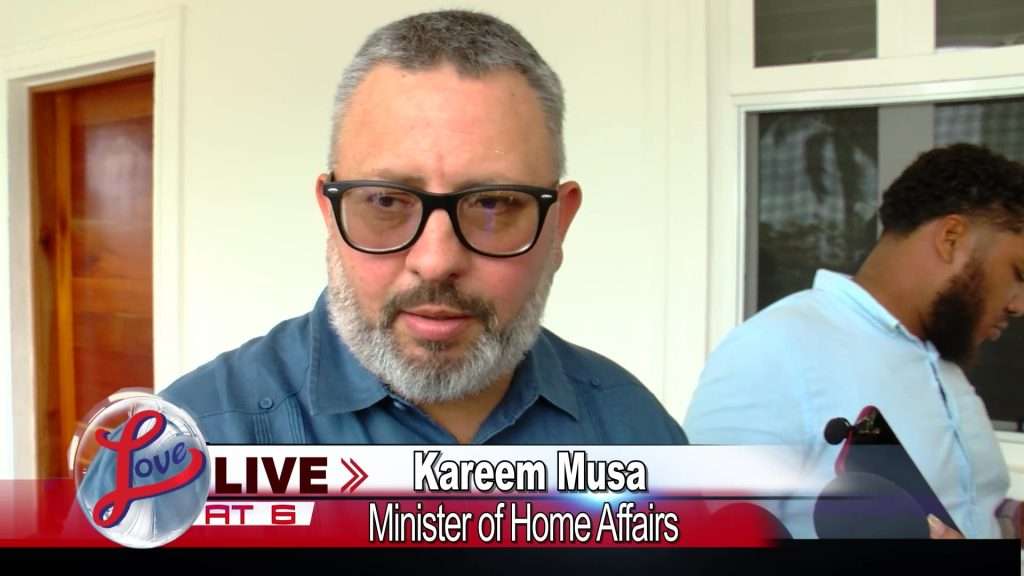
Kareem Musa, Minister of Home Affairs: “It is in absolutely no way any attempt to try to muzzle the freedom of the press. It is instead aimed at protecting witnesses. And so as we move forward with the first draft of this legislation, the media, members of the media yourselves, will be consulted. We will have a very wide consultation process to receive your input because even when I sat down with the media in the first instance, a few of you were there, there was a recognition by members of the press that certain cases in which witnesses say “you know what I don’t want to be identified as the individual who made a statement, I don’t want to be identified as the individual who shared critical video footage because it may have come from my house.”, those individuals deserve protection and so there is a balance that we have to strike and I think that moving forward that is the direction that we’re going that if certain individuals when they attend the police station to give information or to give a statement they require protection then in my opinion those individuals deserve to be protected.”
Musa said that provisions will be put in place to keep the media abreast of requests for confidentiality and that any charges to be levied for an offense under the amendment will have to be authorized by the Director of Public Prosecutions.
Kareem Musa, Minister of Home Affairs: “When we’re drafting this legislation, two things you have to look into, take into consideration. One, does a witness require this information to remain confidential with the police because many times it’s from the very police department that these videos are leaked, that these statements are leaked. Has that individual requested that their video footage, photograph, statement be protected? If so, then we inform members of the media, inform you all, so that it is not published. So if you might have published it before that individual asked we cannot go and charge you. And then there’s also another layer that the Attorney General has suggested, which I support, that it’s not anybody that can be charged. We have to take this matter to the DPP for their consultation and opinion first before charges are levied. So you would not have to fear that anyone would use that particular legislation to go after anybody else without first going to the DPP for their approval before charges can be levied. And so adding that additional layer, I think, is very important.”
Attorney General Anthony Sylvestre has promised that consultations for the draft amendment will be comprehensive, and the media will be a part of the conversation.