

FCD Researchers Complete Wildlife Rescue Training to Aid Injured Animals
- Lands, Natural Resources & EnvironmentLove NewsNews Flash & Headlines
- February 14, 2025
- No Comment
- 2667
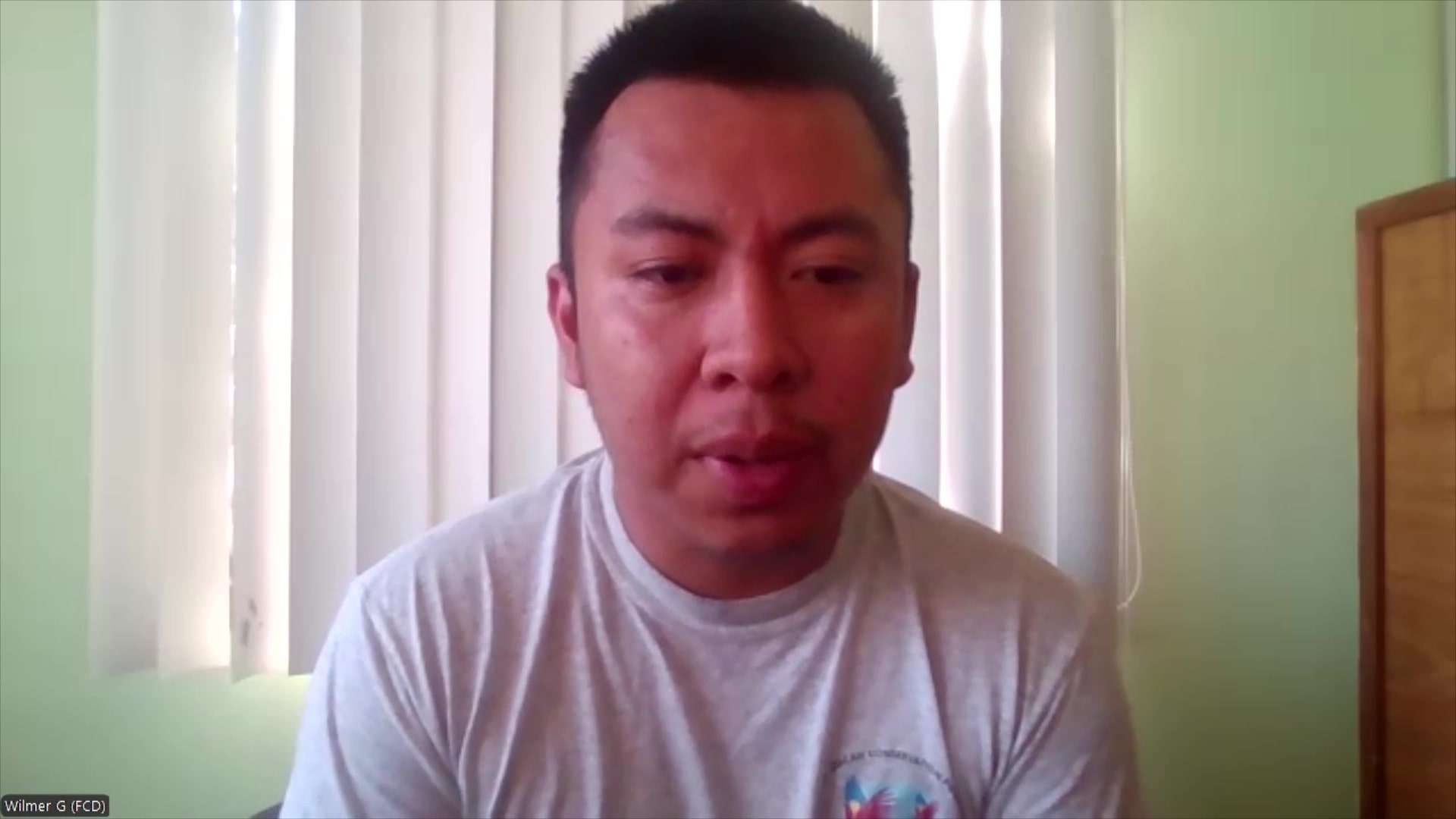
Researchers from Friends for Conservation and Development (FCD) are now better equipped to deal with injured animals they encounter in the wild after completing a special training course. The intense one-day session was facilitated through the Wildlife Ambassador Program at the Belize Wildlife & Referral Clinic (BWRC). The team worked with wildlife veterinarian Isabelle Paquet-Durand, to learn various techniques in identifying and handling injured animals. Wilmer Guerra, Biodiversity Research Inventory and Monitoring Technician with FCD explained that the training was essential for researchers since they are in the field encountering all kinds of wildlife.
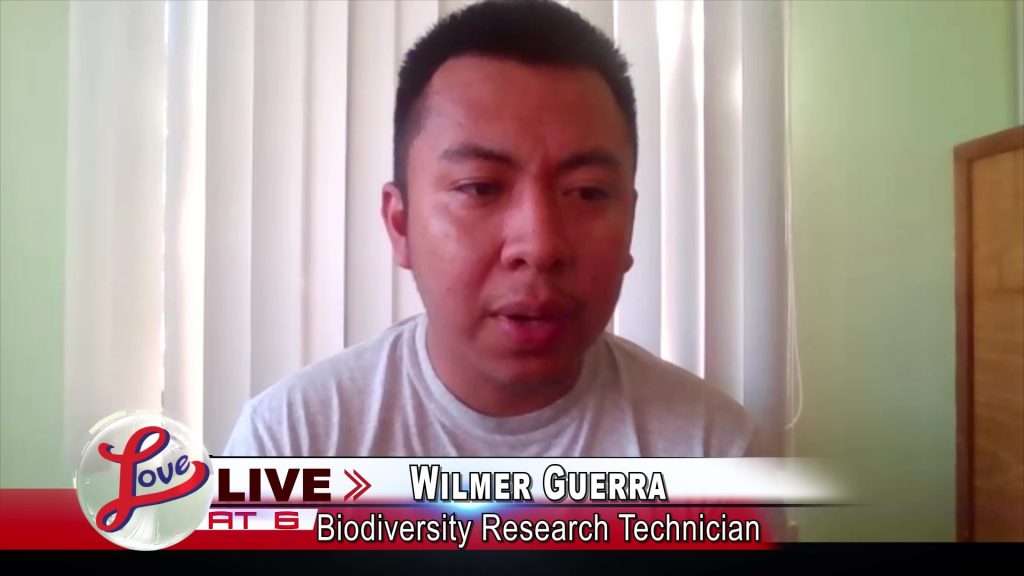
Wilmer Guerra, Biodiversity Research Technician: “This training in particular we were learning a lot on the handling of wildlife, how to identify wildlife in need, because as researchers out there, and anybody in particular out there close to wildlife, a lot of the times you see wildlife and you might think that they need your intervention but in reality it doesn’t. So that’s why it’s important for us to be able to identify when wildlife needs intervention, how to handle it and how you know all the steps necessary for you to be able to help wildlife whenever it is required. We specifically work with the scarlet macaws in the Chiquibul. So we, for instance, we’re learning how to basically do tube feeding for the scarlet macaws but in general any bird species. We’re also learning how to do first aid to wildlife, which I think is very important for us to be able to, you know, amplify our abilities to help wildlife in need out there in the Chiquibul and out there in the entire Malaysian environment as well.”
Guerra said that the training will also help researchers held in the national response to the world screwworm infestation currently plaguing the country. He noted that, since the screwworm affects wildlife and livestock, researchers will play an important role in monitoring the situation.
Wilmer Guerra, Biodiversity Research Technician: “We also learned a lot about emergency and stabilization because you know a lot of wildlife might be in danger but then also it is very important for you to be able to know how to help and what are the specific processes of how you can go about helping wildlife and not making the situation a lot worse than it actually is. We do have routine training. I think as researchers that work specifically with wildlife it is important for us to keep our skills, you know, very updated throughout the year. So it is very routine. Specifically this one also we were dealing a lot with how to identify screwworm, which I think is an upcoming one, you know, not a disease but a concern through One Health. So we it’s something that we were learning this training how to identify and how to basically be able to collect the maggots as well and be able to submit it to the BAHA because you know screwworm is something that affects both wildlife and also affects your livestock. So it is a risk for the entire Belizean environment also. “
The training was held on Tuesday, at the BWRC’s facility in the Cayo District.